PCR Packaging in 2026: From Claim to Specification
Recycled content has stopped being a marketing line. Buyers now write it into the purchase order — with a percentage, a resin source and a colour tolerance.
The constraint is no longer demand, but consistent cosmetic-grade PCR. Post-consumer resin varies batch to batch in colour and odour, so the practical answer is a range built on existing moulds rather than one hero SKU.
Inside the 2026 PCR range
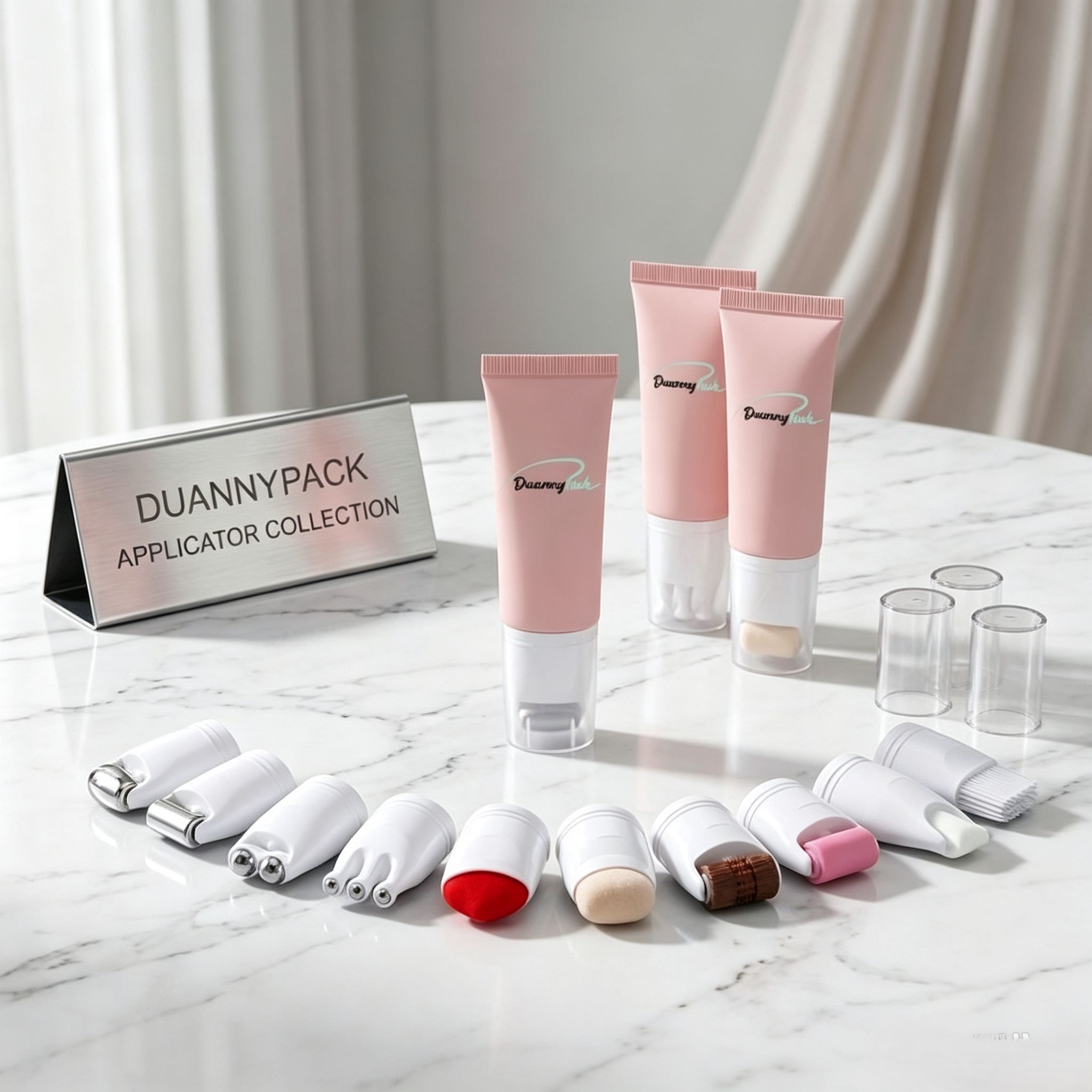
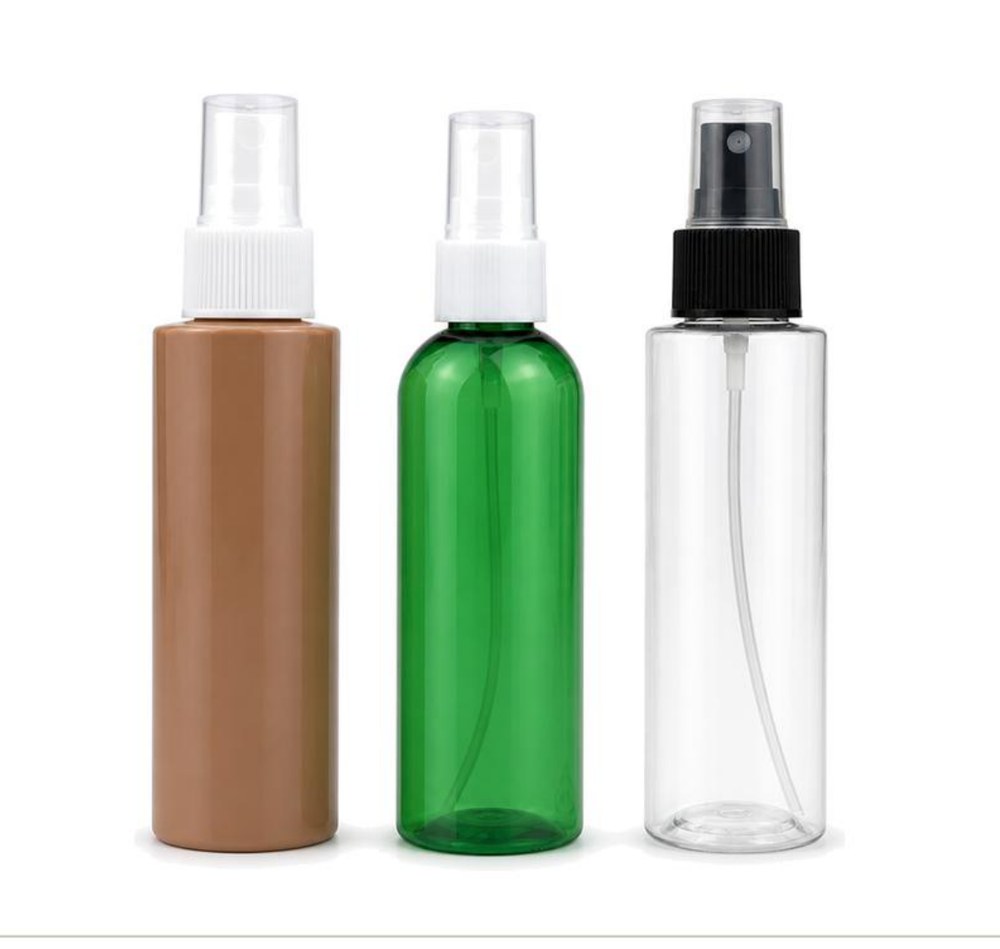
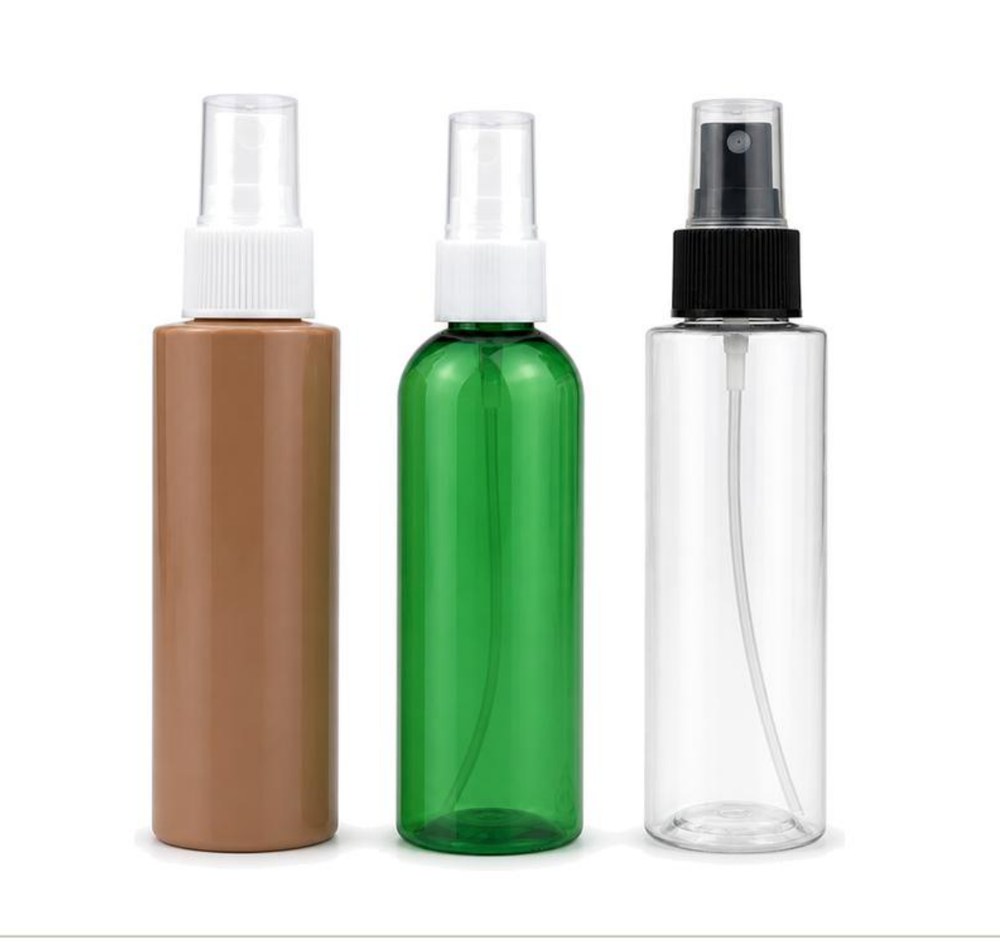
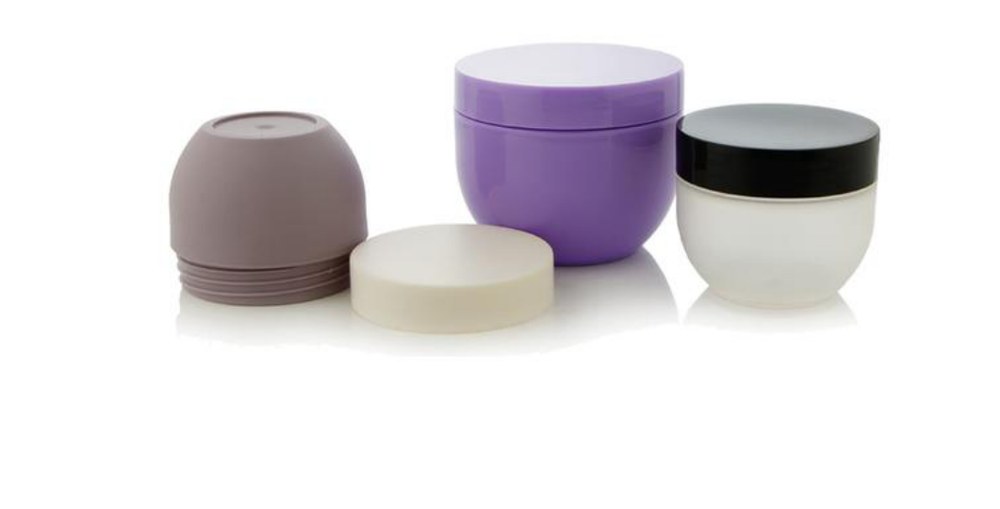
30 models — 21 bottles, 6 jars, 3 tubes — in PP+PCR, PET+PCR, PE+PCR, AS+PCR and PCR. Bottles cover 15–500 ml across airless, spray, pump, roll-on and squeeze formats; jars 10–500 g, including clear-wall and bamboo-lid versions; tubes 30–150 ml with 3-ball and 5-ball applicator heads. Custom colour, decoration and capacity on request.
Two things make PCR work at scale: same mould, new resin — no new tooling, no new filling line — and decoration designed for recycling, meaning direct print instead of multi-material sleeves, so a mono-material pack keeps its grade as EU PPWR thresholds tighten from 2030.
Recycled content is not a finish. It is a specification — designed in at the mould, not at the label.
Cosmetic Packaging Trends 2027: Seven Formats Beauty Brands Are Specifying