Subscribe to our Newsletter

Model No: DNSP-556
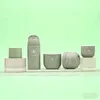
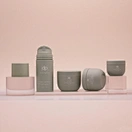
PP Plastic Cosmetic Packaging Sets
Quantity :
| Item | Material | Capacity |
| DNAP-515 | PP | 30-150ml |
| DNJP-503 | PP | 30-500g |
I. PP Airless Bottles
PP airless bottles are crafted with a unique design that sets them apart in the packaging world. The airless system within these bottles is a key feature. It typically consists of a piston at the bottom of the bottle that moves upwards as the product is dispensed. This design ensures that the product inside is not exposed to air, which is a significant advantage. For example, in the case of skincare products like serums and lotions, exposure to air can lead to oxidation, reducing the product's effectiveness and shelf - life. With an airless bottle, this risk is minimized.
The body of the PP airless bottle is made entirely of polypropylene (PP) plastic. PP is chosen for its excellent properties. It is lightweight yet durable, which makes it suitable for various applications, from travel - sized bottles to larger containers for home use. The thickness of the PP material can be adjusted depending on the required strength and capacity of the bottle. For instance, smaller 15 - 50 ml airless bottles for samples or travel may have a slightly thinner wall, while larger 100 - 200 ml bottles for regular consumer use can have a more robust construction.
II. PP Plastic Jars
PP plastic jars have a simple yet functional design. They typically consist of a cylindrical body with a screw - on lid. The shape of the jar is designed to maximize storage space while being easy to handle. The walls of the jar can be made in different thicknesses depending on the intended use. For storing dry products like spices or powders, a thinner - walled jar may be sufficient, while for more viscous or heavy products, a thicker - walled jar is preferred.
The lid of the PP plastic jar is designed to provide a tight seal. This helps to keep the contents fresh and prevent leakage. Some lids may also have additional features, such as tamper - evident bands or child - resistant mechanisms, depending on the product and its target market. For example, jars used for pharmaceutical products may require child - resistant lids to ensure the safety of children.